Fast, light and comfortable… provided the fit is right
Words by Jack Evans
Photography by Chris Teagles
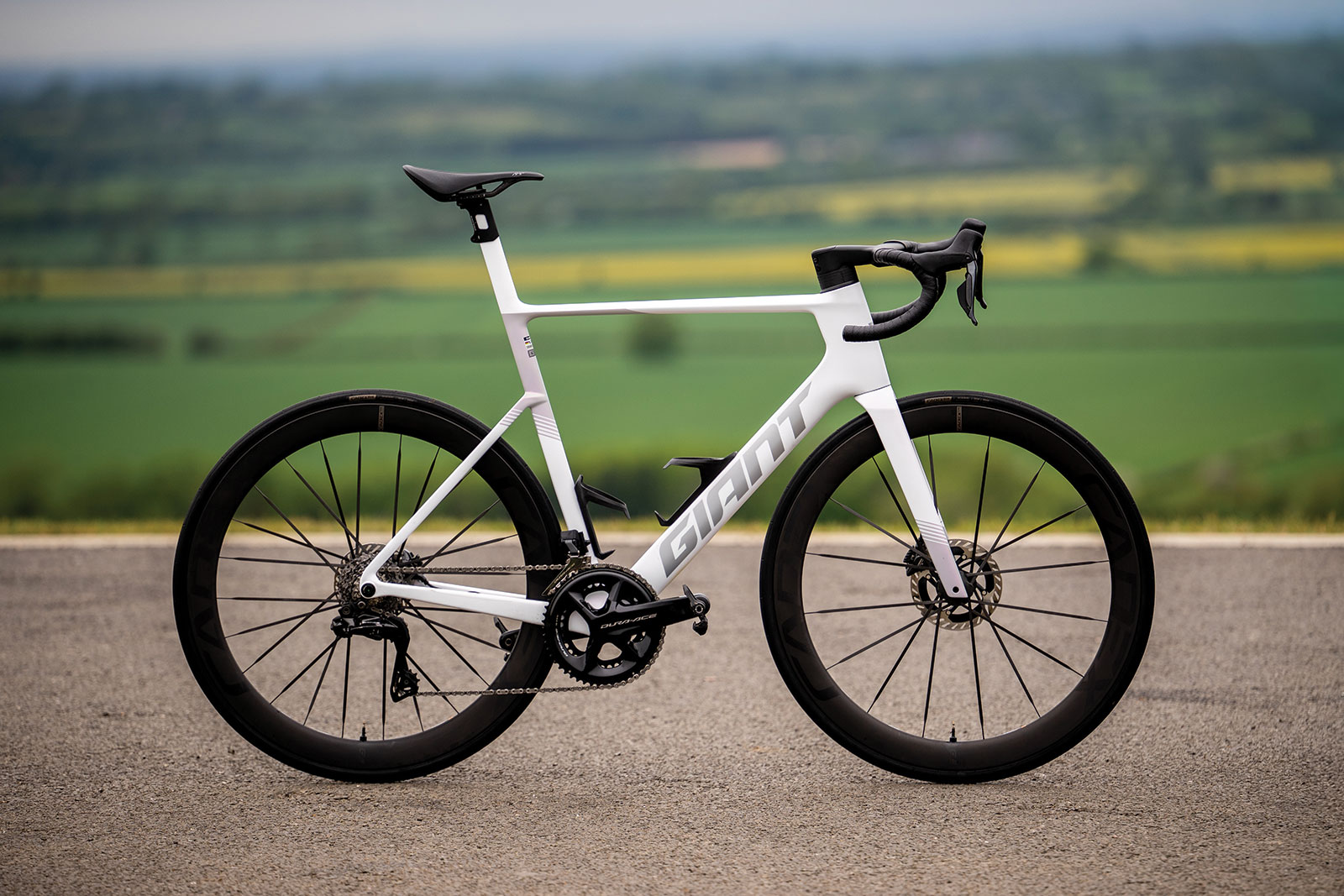
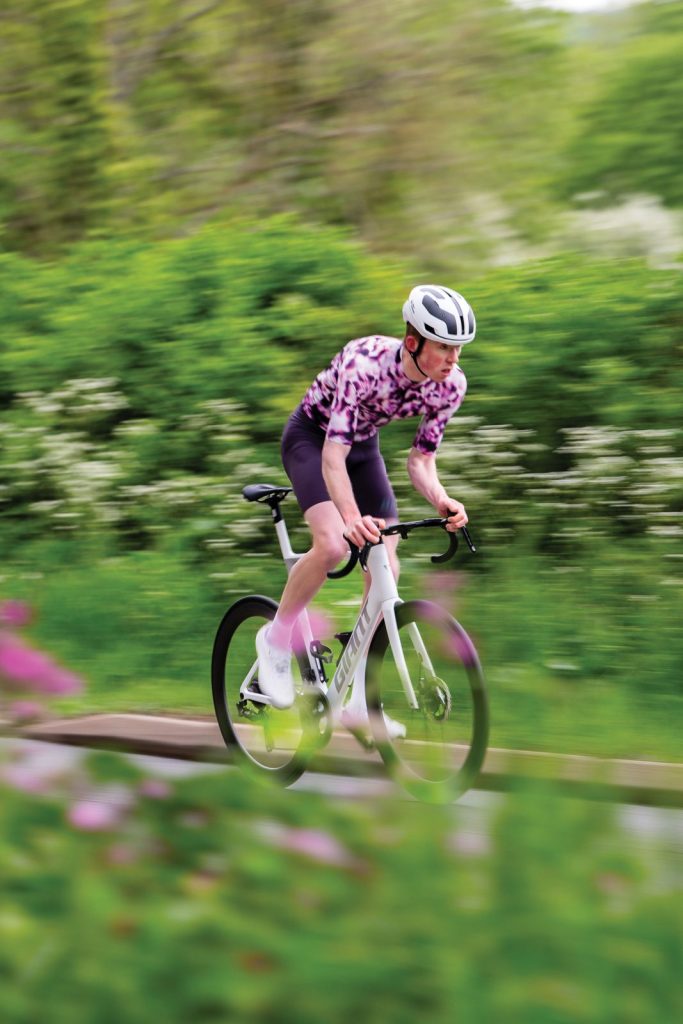
The new Giant Propel Advanced SL blows apart the old dilemma of picking a light bike or a fast one. This latest version of the Propel is an out-and-out aero bike but is also one that comes in under the UCI weight limit of 6.8kg.
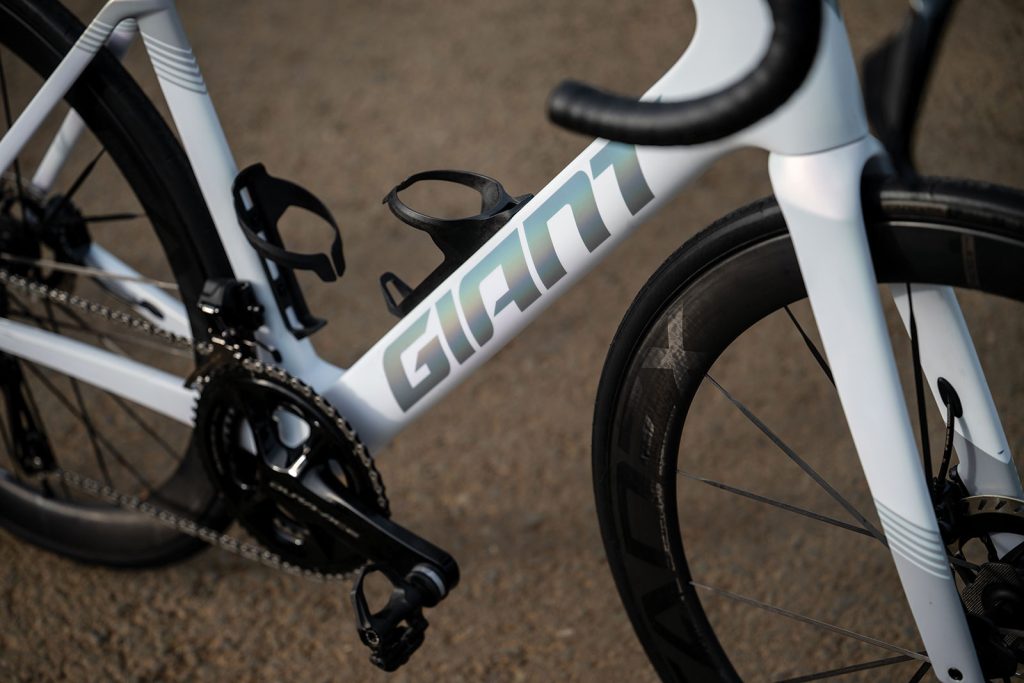
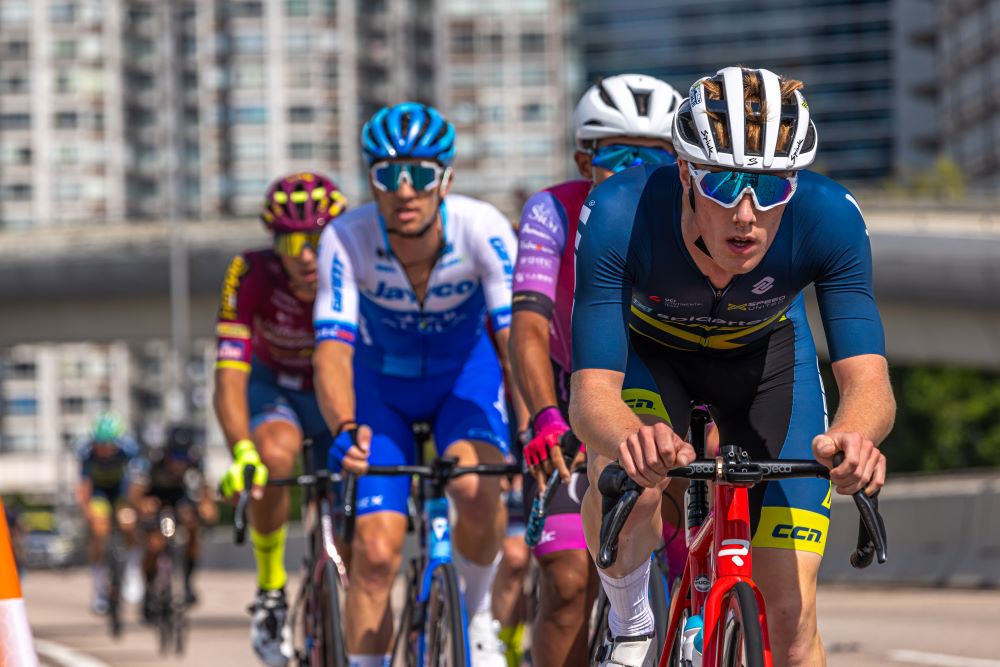
Its predecessor, released in 2022, was no porker, and Aussie WorldTour team Jayco-AlUla favoured it over the weight-focused TCR for all but the most mountainous stages. However, Giant has trimmed 355g off the fourth-generation Propel, while claiming to have made it considerably more aero (by 18.4 watts at 40kmh). That the Taiwanese manufacturer has done so without resorting to unconventional frame or fork shapes will please fans of the Propel’s archetypal silhouette. Others may find its looks conservative in the ‘hyperbike’ era epitomised by the likes of Colnago, Cervélo, Ridley and Factor. It’s all in the eye of the beholder.
As ever, Giant has done its own thing and leveraged the weight and watt-saving prowess of sibling component brand Cadex to achieve its objective of lowering total drag by a claimed 15%. The result is that this original aero bike joins the ranks of do-it-all race bikes such as the Specialized Tarmac, Cannondale SuperSix and Trek Madone. And while its $15k pricetag is no small change, the Shimano Dura-Ace Di2-equipped bike on test here is significantly cheaper than the equivalent builds from that triumvirate.
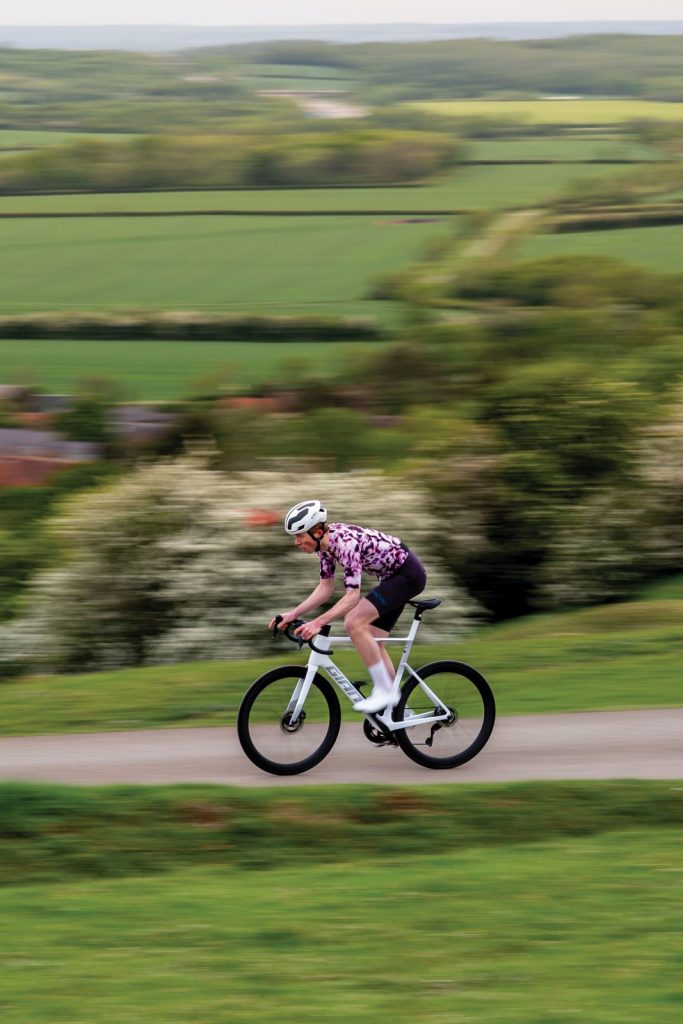
‘It’s for somebody who wants something light, aerodynamic and comfortable at the same time,’ says Dave Ward, Giant UK’s product manager. ‘We designed the Propel as an aero bike, but it has worked out to be a hell of an all-rounder as well.’
Does that spell curtains for Giant’s climbing bike, the TCR? Surely at the sport’s highest level, Giant-sponsored pros will no longer need it.
Not so fast, says Ward: ‘The TCR has still got its place. It will always be more comfortable thanks to the sloping top tube that exposes more seatpost. It isn’t going anywhere. It’s a cliché, but it’s Giant’s DNA. It’s our iconic model.’
Doing the double
So how did Giant achieve the holy grail of bike design: less weight and less drag simultaneously?
‘We’ve saved 40g from the frame, which was already incredibly light, by using new manufacturing techniques,’ says Ward.
Previously Giant made the Propel using a steel clamshell mould to create the smooth outer surface, while an inflated bladder with a plastic bag around it pressed up against the inside of the frame.
‘That could create imperfections because the bag and bladder are flexible materials,’ he adds.
The manufacturer now inserts a plastic
‘former’ with a bladder inside it into the frame. As the bladder inflates it pressurises the former, pressing it against the carbon, and the carbon against the mould.
‘This means the inside of your frame is as smooth as the outside. And because this process puts us in full control of where the wall fixes
are, we can remove a little material from them,’ Ward explains.
What’s more, cold-cutting rather than laser-cutting the carbon swatches stops the resin from activating as a result of the heat.
‘We can now make the swatches fractionally smaller with less overlap between them. All of that has given us the 40g reduction,’ adds Ward.
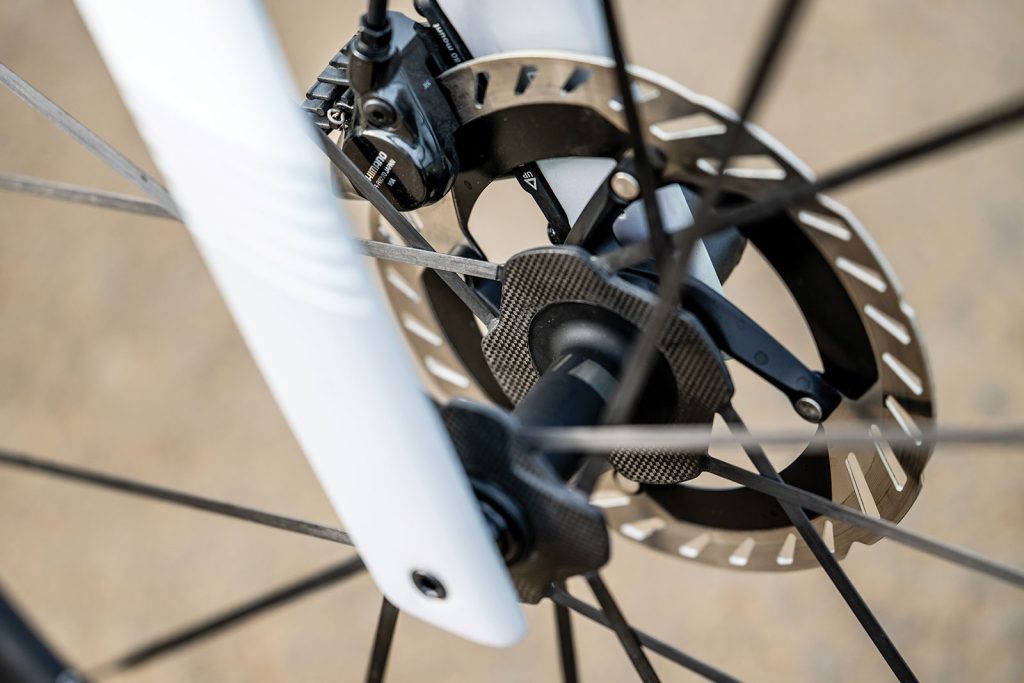
The rest of the reduction comes from the new Contact SLR 0 Aero Integrated Handlebar (77g less), carbon-spoked Cadex Max 50 WheelSystem (100g) and new Cadex Aero tyres (140g total). Plus 1.5g from the new rear axle – it all counts.
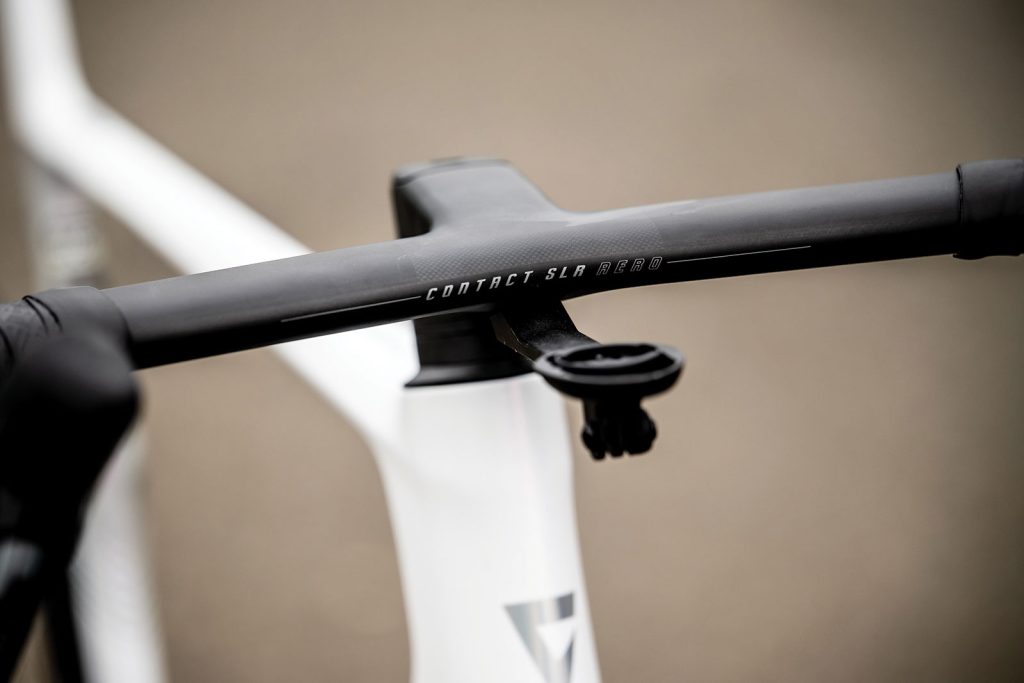
The new components also contribute to the Propel Advanced SL’s 18.4-watt improvement in overall efficiency, including aerodynamic drag and rolling resistance. However, Ward admits that a chunk of this is simply down to the new Propel’s narrower cockpit permitting a more aerodynamic rider position.
I have to qualify this by saying, ‘…if it fits you’, because the 420x110mm configuration on my test bike wasn’t right for me, despite angling 7.3° inwards to 390mm at the hoods. That said, you can switch to the separate stem/bar from the old Propel and an obliging Giant dealer may agree
to a free cockpit swap at point of purchase.
Business at the back
Moving to the rear of the bike, with trailing dirty air in mind, Giant’s designers have sharpened the edges of the already very slim top tube, seatpost and chainstays.
‘People underestimate the turbulence across the back of the bike that pedalling legs create, so that needs to be factored in,’ Ward says. ‘Anyone can make a narrow front end on a bike, but the way air travels further backwards is significant.’
As for frame stiffness, Giant was content with the previous Propel Advanced SL’s stiffness but changes to the tube shapes and layup have inadvertently made the new bike 4% stiffer. That should make for a fraction more reactivity when stamping on the pedals, but Ward assures us that it doesn’t mean the bike is harsher.
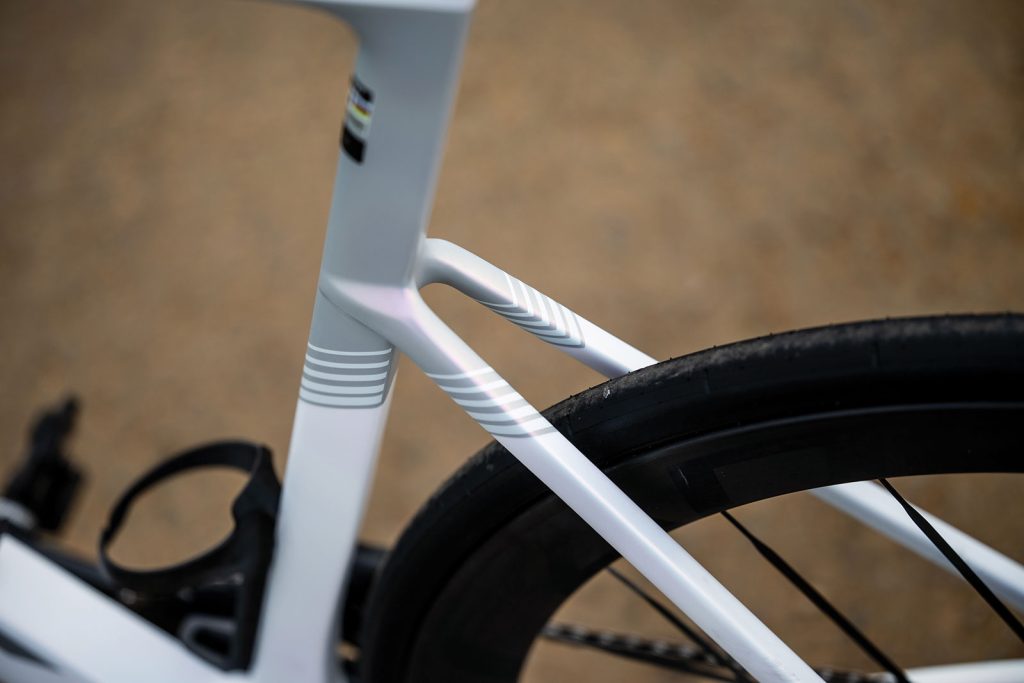
‘It seems these fully chunked-out aero bikes coming out now are built for three weeks of perfect French tarmac,’ says Ward. ‘But we’ve increased rear-end compliance by 25%, partly from changing the layup structure in the seat
tube and by dropping the seatstays.’
Those dropped seatstays expose more of the integrated seatpost (ISP) to flex, and Ward says it is this area of the frame that is key to the Advanced SL’s better comfort over the lower-tier Advanced builds with their standard inserted seatposts.
‘The ISP system has filaments running the whole length of the seat tube, so we’re in full control of that,’ he says. ‘With a conventional seatpost and, say, 100mm of seatpost insertion, you have doubling up of material and next to
no compliance.’
Fast if you find your fit
In terms of geometry, the Giant Propel is one of the most aggressive race bikes out there, with a stack that’s about 1cm lower than the Tarmac and a reach that stretches you out more than the SuperSix and Madone.
A shortish 58.3mm trail figure and 1,006mm wheelbase on this size large mark out the Propel as a nimble yet assured handler, while short chainstays (405mm) help with the kick of its acceleration. The wheels and tyres seemed to roll effortlessly as well, but riding the Giant Propel was still a mixed experience for me.
On one hand its reactivity was superlative, and the new Propel has redefined how well an aero road bike can climb. It’s not just that it’s lighter than many dedicated climbing bikes – the thuddingly stiff bottom bracket and head tube meant nearly every watt was being transferred through the pedals, whether I was seated or standing.
On the other hand, the suboptimal fit prevented me from unlocking the Propel’s potential on flat and rolling roads. With 3cm less reach than preferred, I couldn’t comfortably get into an aero tuck. Giant claims a 13% improvement in front-end compliance mainly stems from the new cockpit, but I was too hunched up to appreciate this.
Ward believes these issues point to me being on the wrong-sized bike, but I usually ride a 58cm frame – broadly equivalent to this size large – with a long stem to facilitate a racy position as validated by two independent bike-fitters. The solution would be to switch to a two-piece bar/stem (Giant doesn’t offer the Propel with anything longer than a 110mm stem currently), which thankfully the Propel still accommodates, although this would require additional costs and would remove the aero and weight benefits of the one-piece setup.
Admittedly, this is a very personal issue, but I’d recommend a professional fit on the Propel before parting with one’s cash.
Another aspect to consider for prospective buyers is the Propel’s integrated seatpost, although on this point I’m with Giant. ISPs make travelling with a bike awkward because you can’t remove the seatpost, but I’d be prepared to live with it for the seated compliance it brings and the small amount of weight it saves. Anyone concerned about reselling a bike after cutting the ISP should be reassured that a second saddle clamp provides up to 45mm of vertical adjustment. Also, Giant will carry over a two-year frame warranty to the second owner.
The only other thing that might put some people off buying the new Propel is that it looks and feels very similar to the old Propel. As such, existing Propel owners have little incentive to upgrade unless they find their current frame a touch too uncomfortable or a touch too heavy. In that case my advice would be to upgrade to the new Propel’s components to unlock much of the updated model’s advantage.
For everyone else, the new Giant Propel SL 0 is a wonderfully versatile race bike that typically retails for four figures less than its main rivals.
The spec
Model Giant Propel Advanced SL 0
Price $14,499
Weight 6.6kg (large)
Groupset Shimano Dura-Ace Di2
Gearing 52/36t chainrings, 11-30t cassette (2×12)
Wheels Cadex Max 50
Finishing kit Giant Contact SLR 0 Aero Integrated bar/stem, Cadex AMP saddle, Cadex Aero 28mm tyres
More info giant-bicycles.com