By Jack Lynch
RRP: $999
More info
Plenty of us have an older, perfectly good bike in the shed.
And although we love bikes, sometimes outdated geometry and obsolete technology such as rim brakes (tear) can mean the old faves can sometimes gather dust.
While many components on a bike can’t be changed, there are some trends which can be employed on bikes of an older generation.
I was keen to change my 170mm cranks on an older titanium bike I have, with 165mm to bring it up to speed with modern bikes.
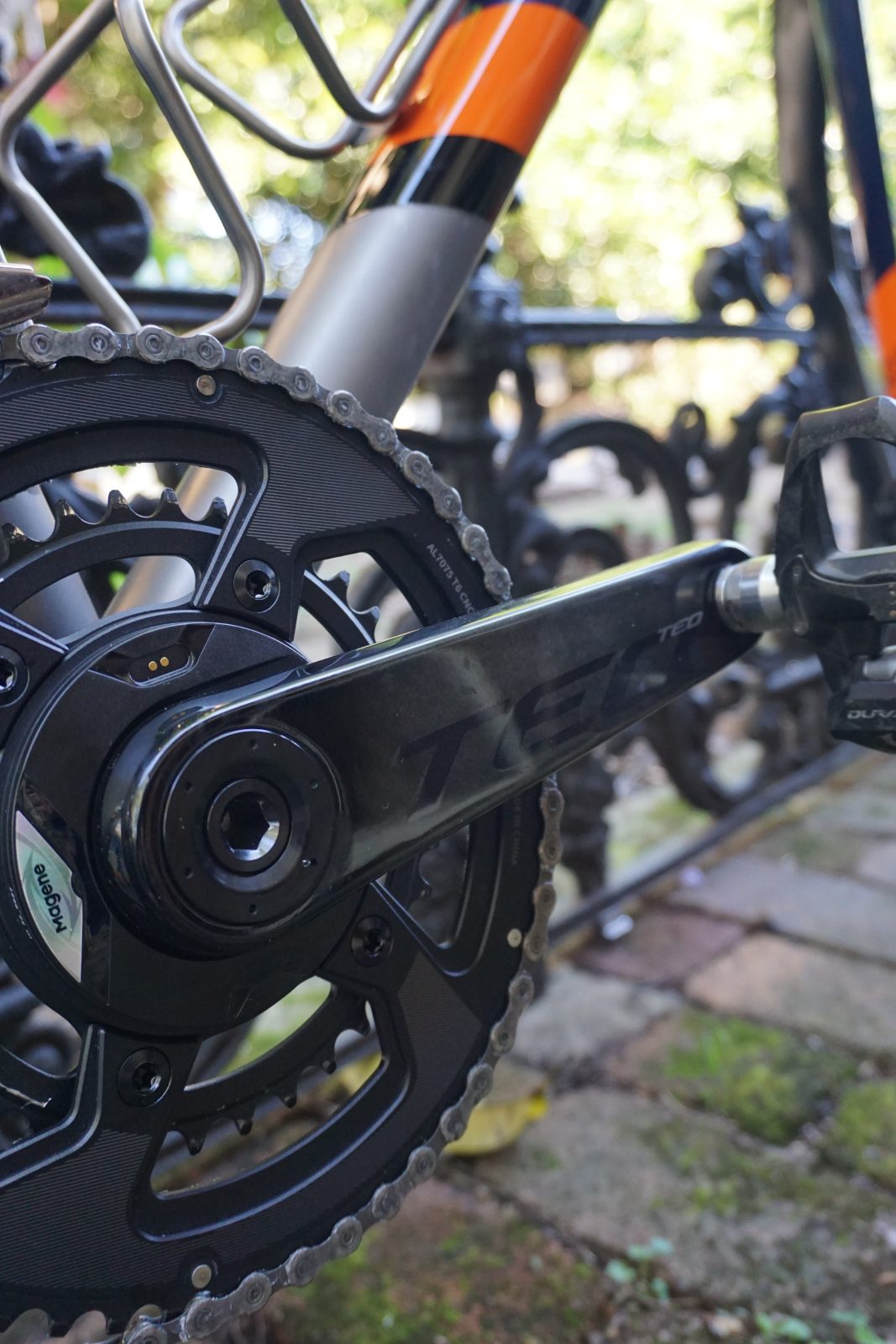
Magene was the obvious choice. Lightweight, highly praised, and apart from being a beautiful looking crank, it’s also a power meter!
The brand has a growing catalogue of high quality, sensibly priced bike parts (this unit is $999) and accessories from wheelsets to radar lights, and I was keen to see its TEO P515 carbon power meter in the flesh.
At 425 grams (a little more than 600 grams with chainrings), it is one of the lighter crank-based power meters on the market and because it’s a generic brand, you can use it on Shimano, Sram, Campagnolo or any other groupset without it standing out as an off-brand component.
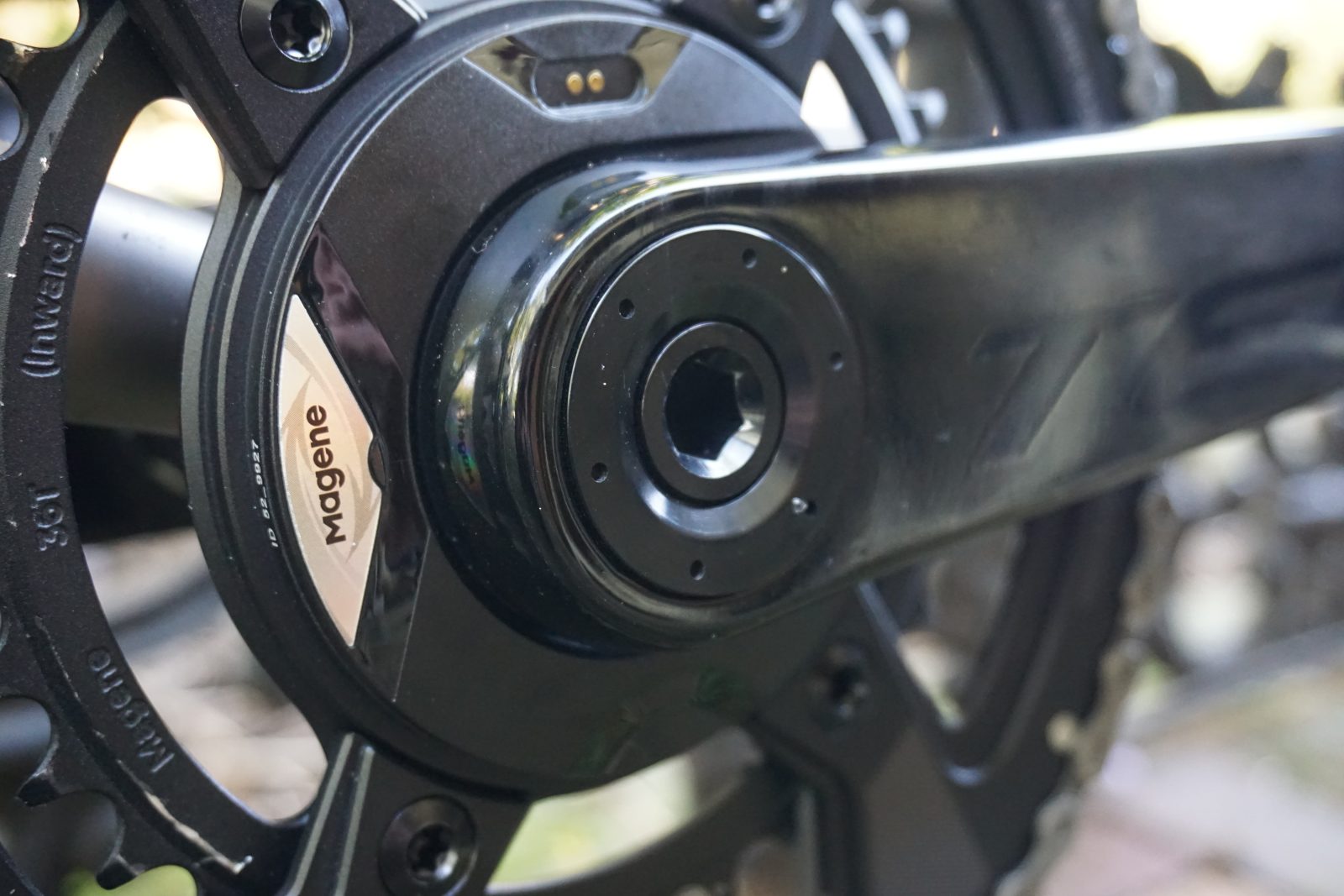
One of the TEO P515’s drawcards is the rechargeable battery. I feel like I’m forever buying batteries for various electronics on different bikes and Magene’s magnetic external charger, which promises up to 330 hours of riding, means you can charge up, then forget about it for months.
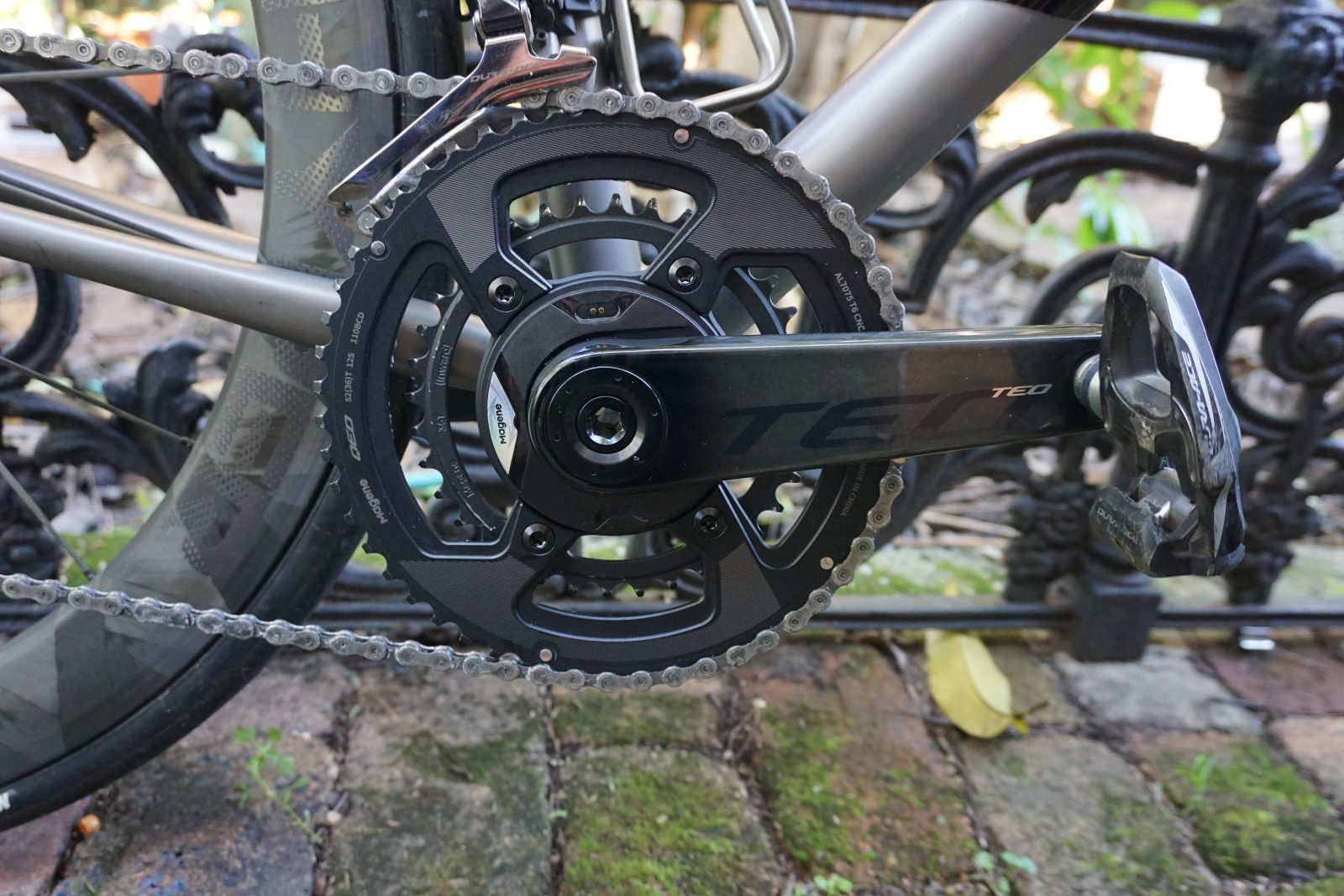
Premium carbon vs alloy Magene
I opted for the 165mm cranks, with 160, 165, 170, 172.5 and 175mm lengths all available in this carbon version. Magene’s PES P515 (alloy) power meter also has a 167.5mm option, but forgoes the 160mm size.
Magene’s PES P515 power meter is very different to its carbon sibling. It has aluminium crank arms, joined by a steel 24mm spindle. Although heavier, it is around half the price of the carbon version and riders with Shimano cranks can add this to their bike as a straight swap, given the spindle’s diameter.
The carbon TEO P515 has a somewhat unusual 29mm aluminium spindle, which drops weight and adds stiffness but also means you need to buy a new bottom bracket. Options in this size are somewhat limited so should be considered before leaping into the TEO. I opted for a fairly basic steel-bearing option from Token, which fitted into my bike without issues.
If experimenting with crank lengths, the alloy version might be for you. If the length doesn’t feel right, the second hand market would happily snap up the unit, leaving you only a couple of hundred bucks out of pocket.
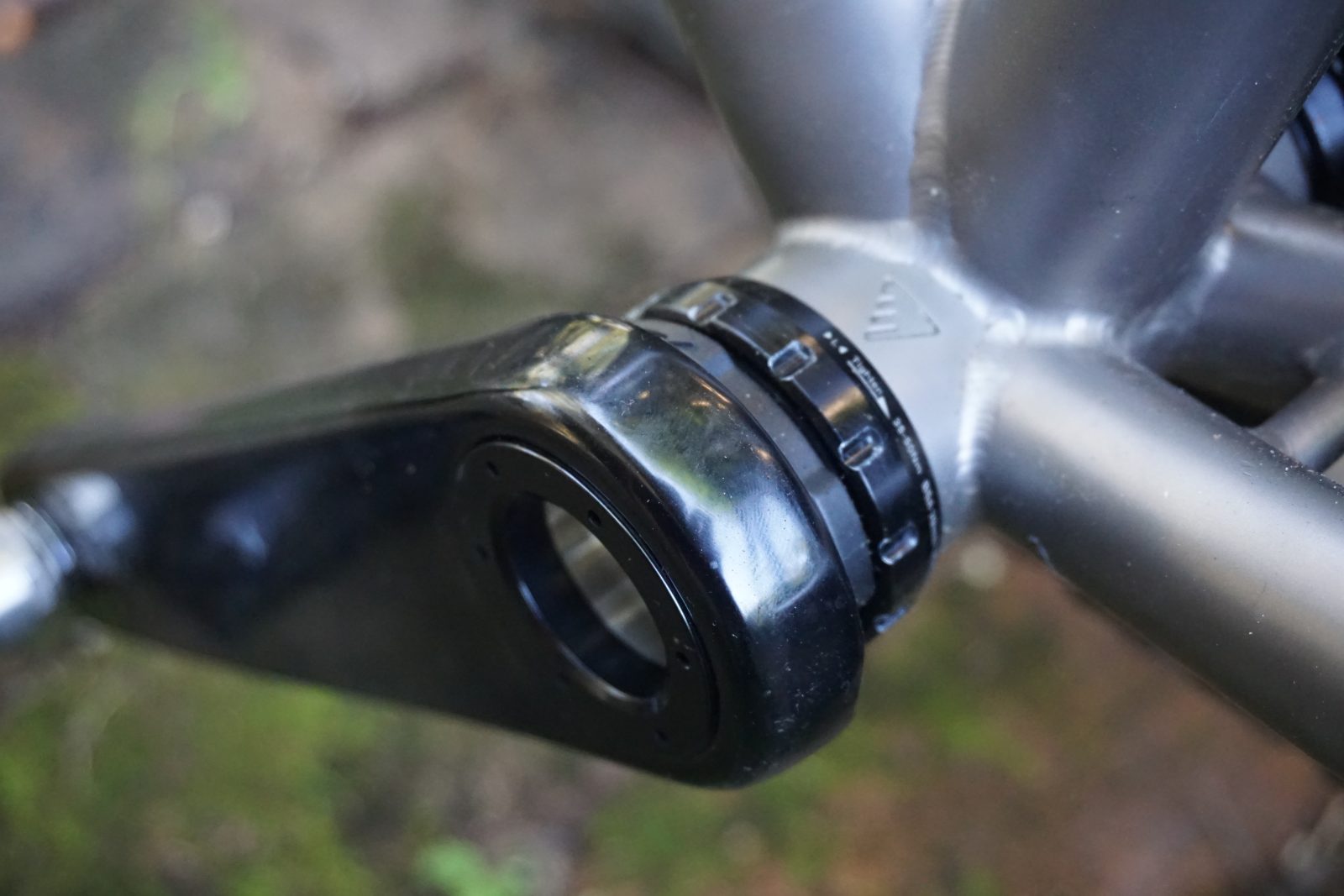
Beauty, brawn and brains
The power meter is noticeably chunkier than other cranks out there and I really liked the aesthetic – particularly on the non-drive side, where the crank was thicker than the bike’s bottom bracket shell.
Set-up was super easy using Magene’s app, and I paired with my Hammerhead computer in moments, as well as on the phone with the no frills Magene Utility app.
If you’ve never had a power meter, you’ll enjoy the left-right balance, and if you have been a power person previously, your numbers will be consistent with this unit as Magene promises 1% accuracy.
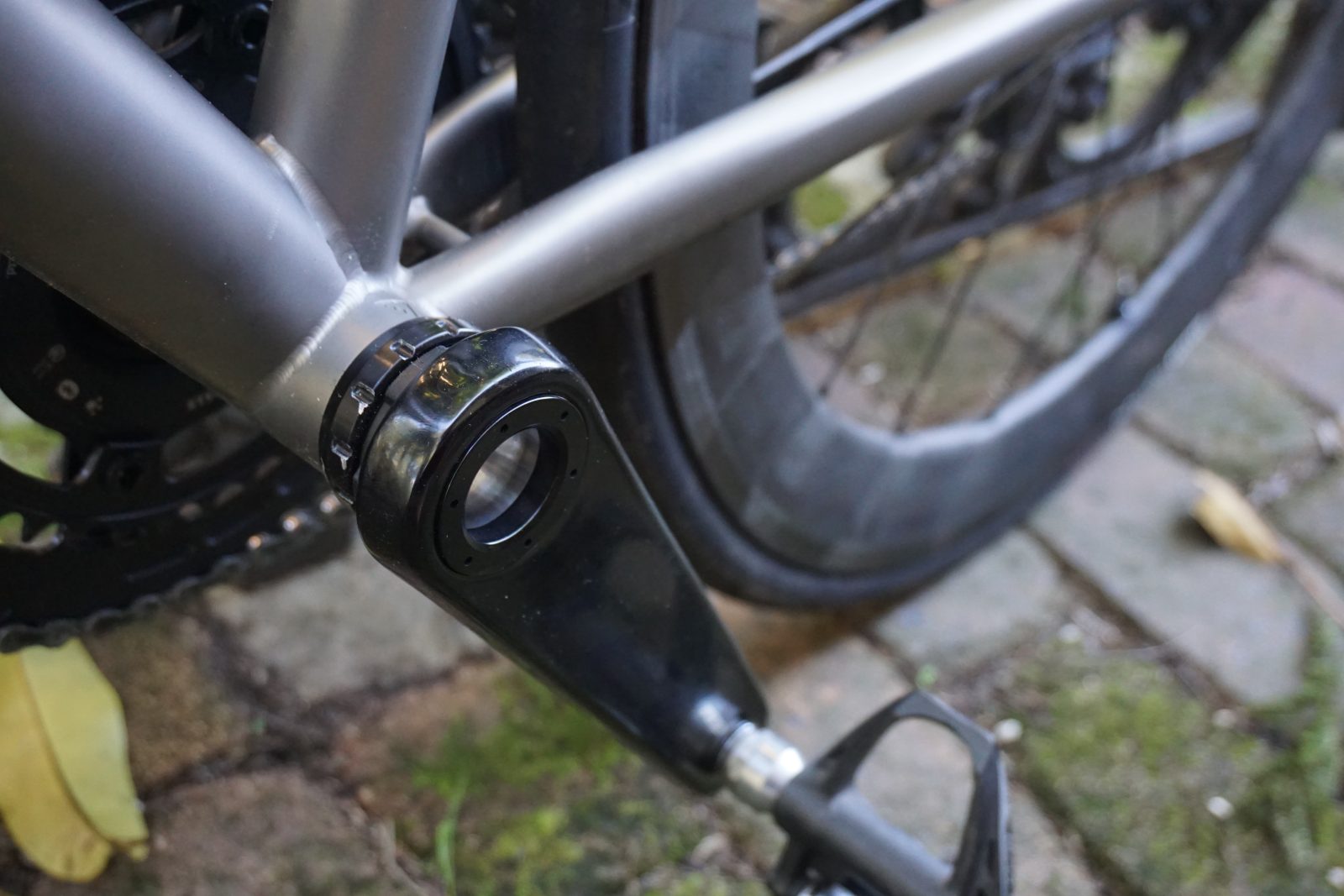
An upgrade worth doing
This power meter is a genuine upgrade and Magene gives you the opportunity to experiment with crank length without breaking the bank – particularly if you choose the $500 PES P515 aluminium version.
It’s a beautiful crank, and I couldn’t find a flaw during my month-long test period.
I can absolutely recommend the TEO P515 power meter and, given our previous reviews on Magene’s wheelsets, be confident in recommending any product from this brand which I’m certain will continue its rapid rise.